Gen Z × AI — Shape the Rules: Youth Workshop Recap, Tunis
Fourteen selected young Tunisians spent an evening with EuroMedAI and Amnesty International Tunisia working through the ethics, human-rights stakes, and real-world cases of AI governance — and left with youth-led proposals of their own.
Event Recap · 24 July 2026 · Tunis
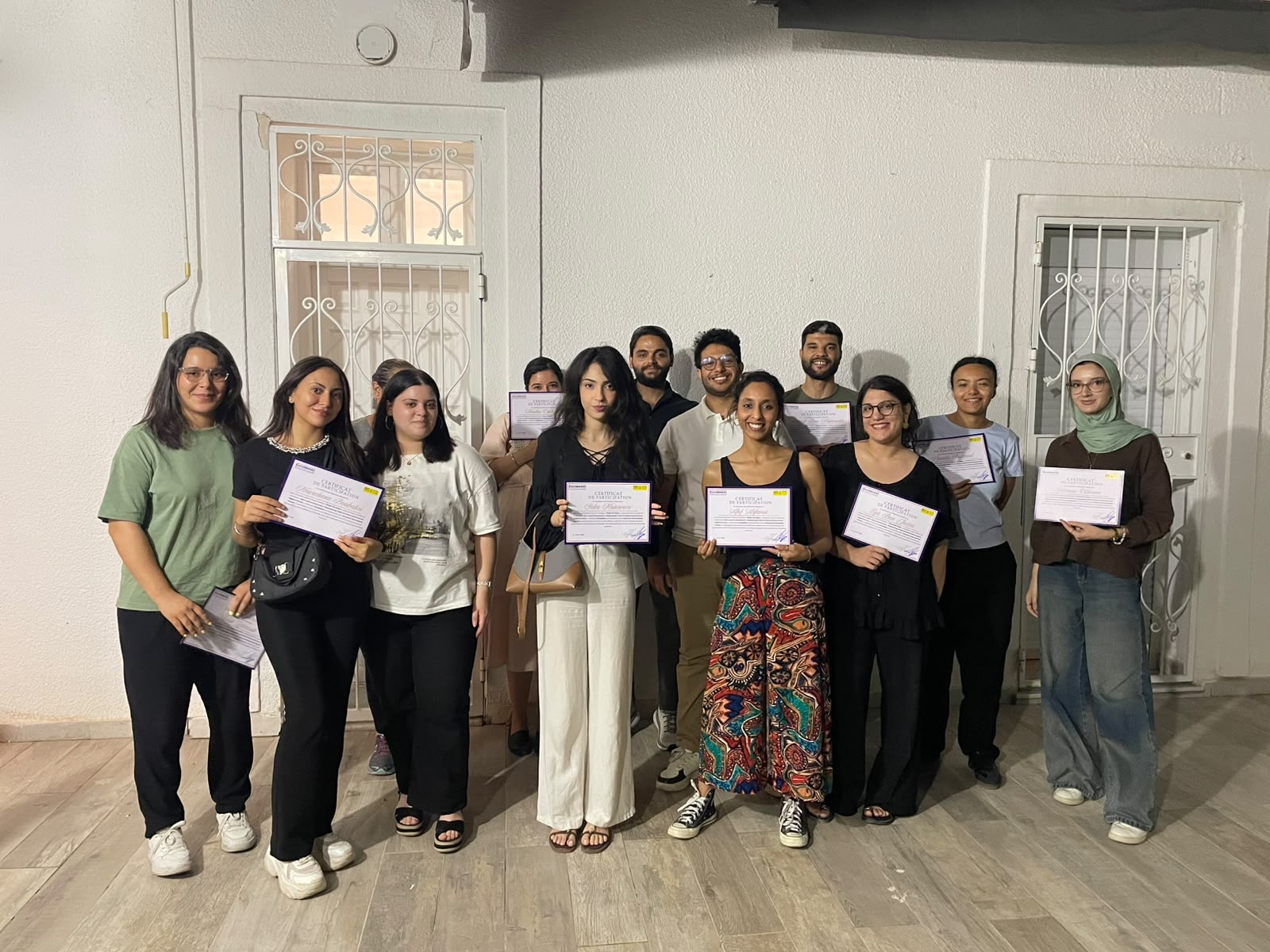
On 24 July 2026, EuroMedAI and Amnesty International Tunisia brought fourteen selected young Tunisians together for Gen Z × AI — Shape the Rules, a certified, expert-led workshop putting youth perspectives at the centre of AI governance rather than at its margins.
Workshop recap
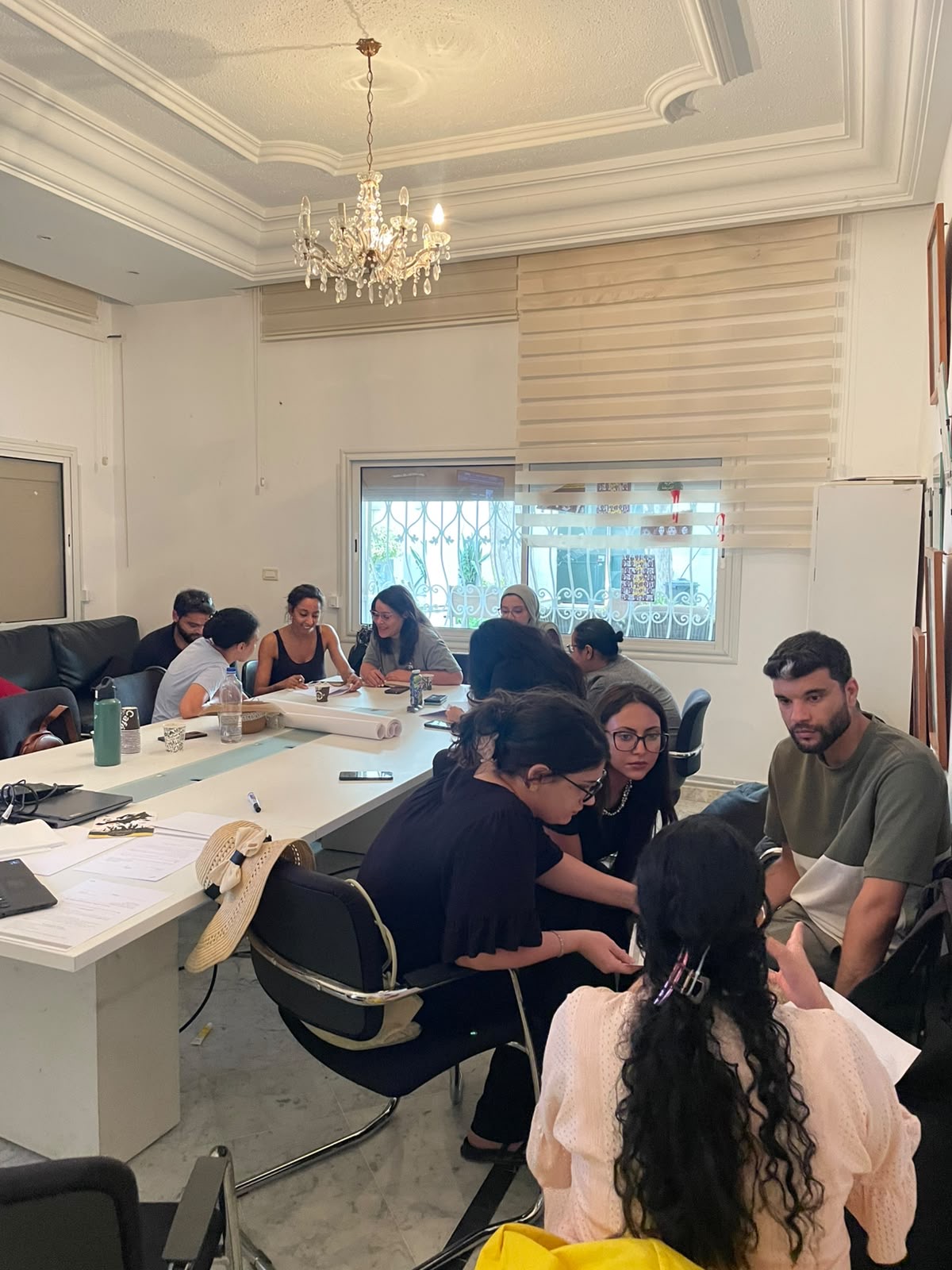
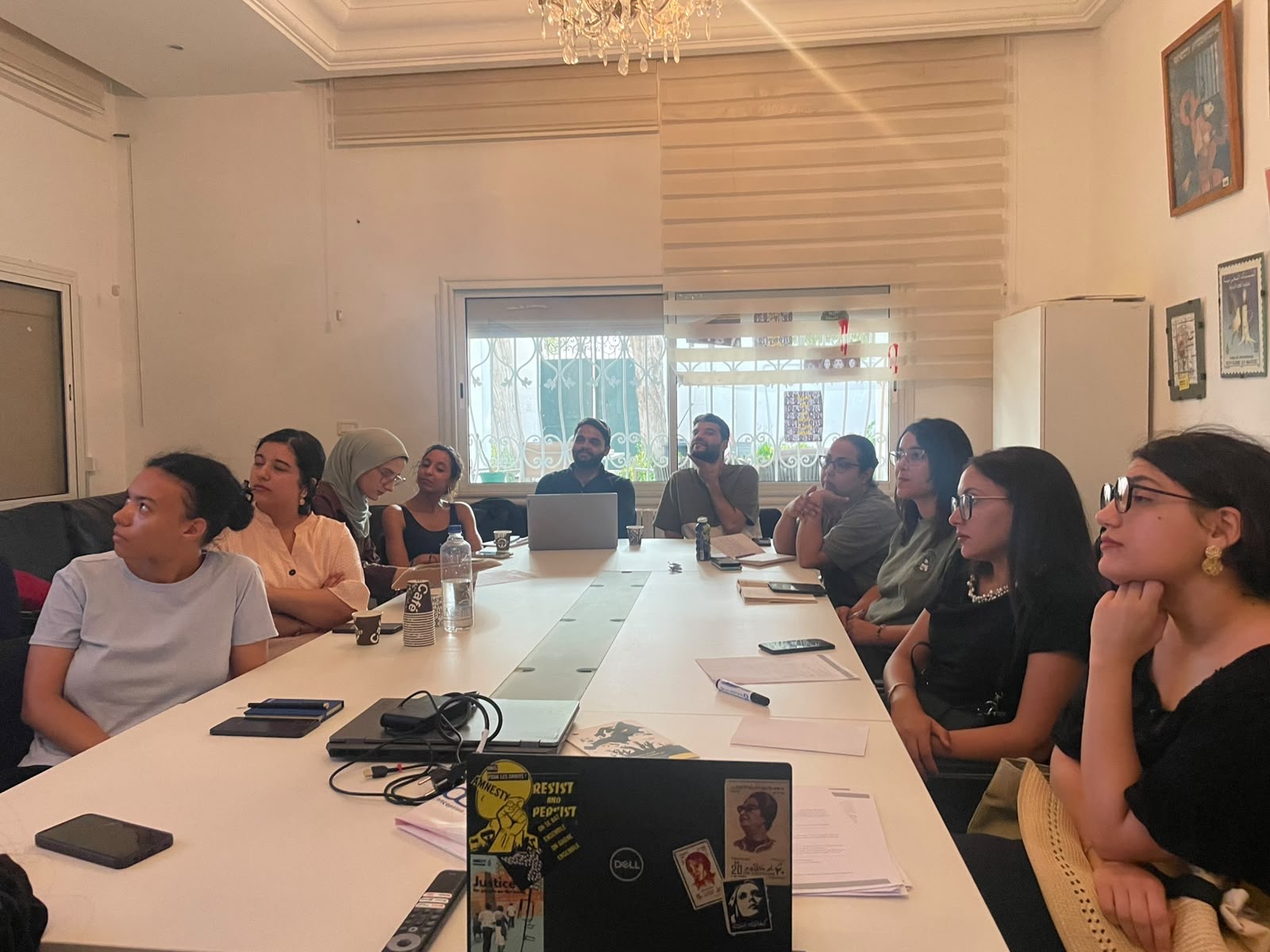
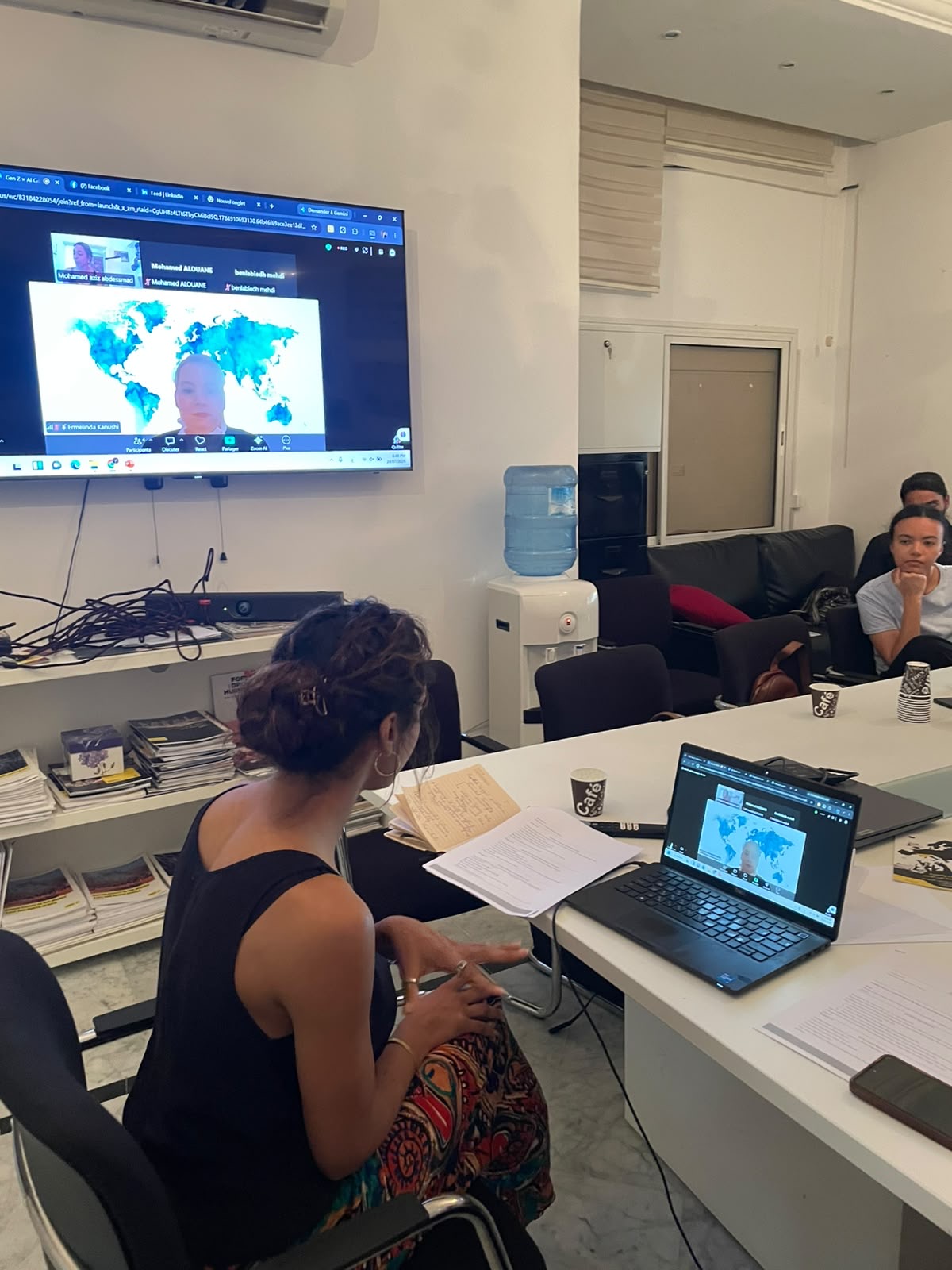
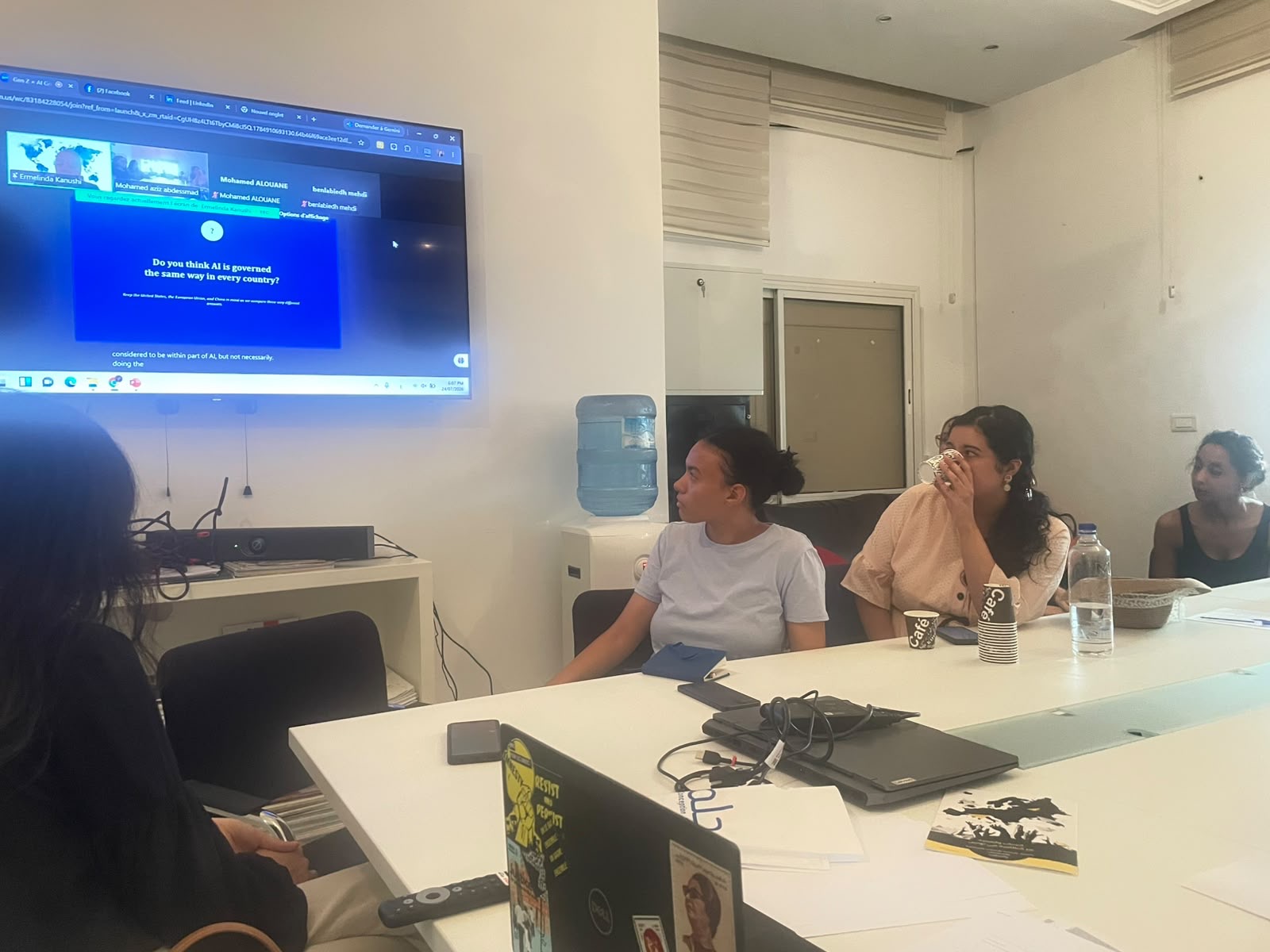
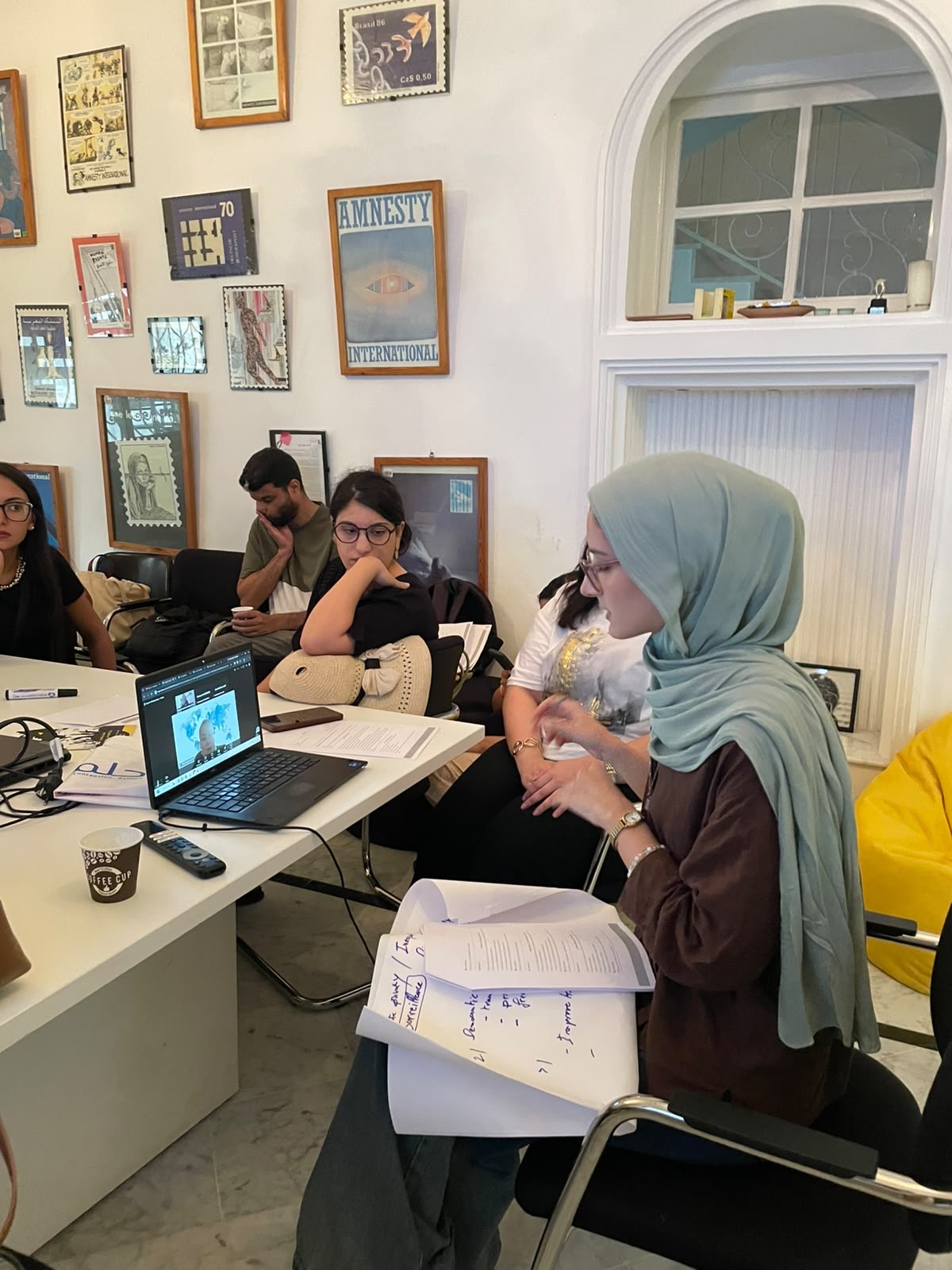
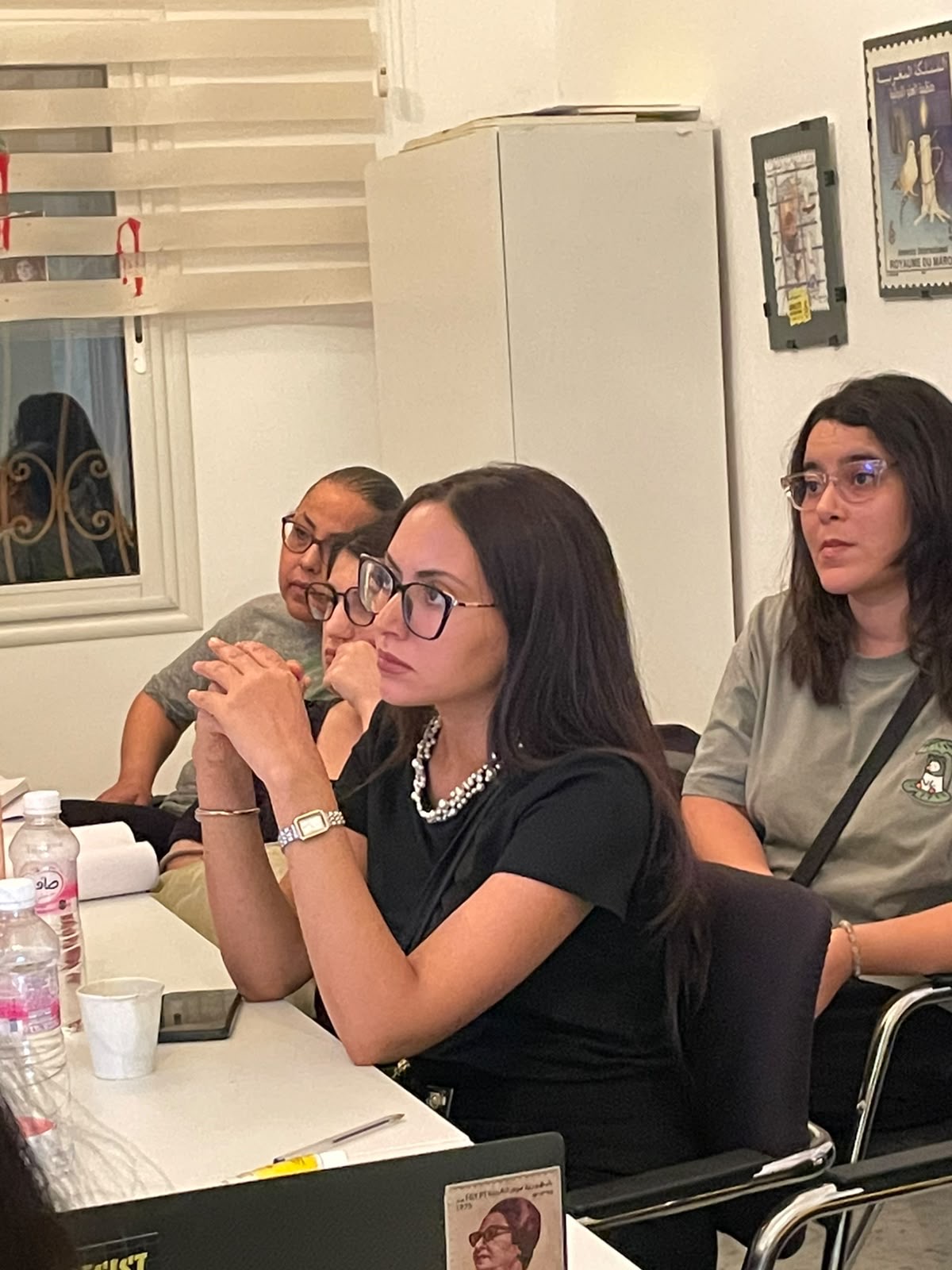
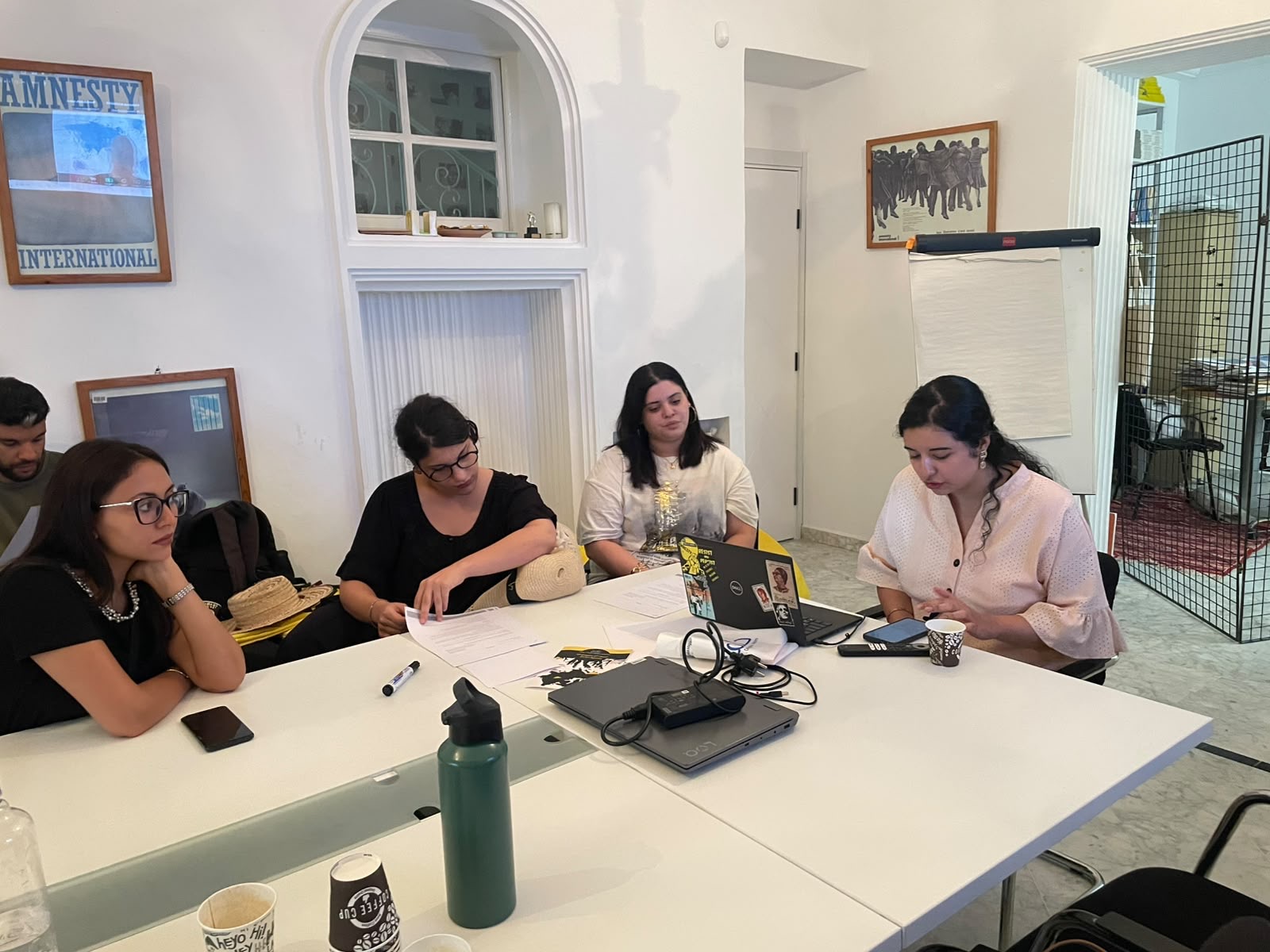
Inside the room in Tunis
A Room Built On Purpose
The fourteen participants were selected through an application process, and it showed in the mix around the table: law students, developers, civil society leaders, and other young professionals, each bringing a different lens to the same set of questions. That diversity was the point. AI governance touches contract law and code, activism and public policy at once, and the workshop was designed so no single perspective could dominate the conversation.
The evening opened with welcome remarks from Mohamed Alouane (Co-Chair, EuroMedAI) and Roukaya Berbeche (Treasurer, Amnesty International Tunisia), followed by an introduction to AI governance from Ermelinda Kanushi (Co-Chair, EuroMedAI), joining remotely. Aziz Abdessamad, a researcher in law, then facilitated a hands-on workshop segment, before Dr. Pedro Maia, a political science and international relations scholar, closed the evening with a session on how to get into AI governance research.
From Principles To Cases
Rather than stopping at abstract principles, the session pushed participants to stress-test them. One prompt asked the room directly: is AI governed the same way in every country? — using the United States, the European Union, and China as reference points for just how differently governance, safety, and rights get balanced depending on where you sit.
Breakout groups then worked through concrete cases, comparing notes on democratic oversight, transparency, privacy, and surveillance, before each group reported back to the full room in five-minute presentations. That cycle — expert framing, small-group work, collective restitution — is what turned a lecture into a working session: participants left not just informed about AI governance, but having practiced arguing through it.
Why Youth Belong In The Room
The workshop’s premise is one EuroMedAI treats as a starting point, not a talking point: young people are still discussed as users of AI far more often than they are included as authors of its rules. Closing that gap matters for two distinct reasons, and both were visible in the room in Tunis.
The first is exposure. Gen Z did not choose to grow up alongside generative AI, recommendation systems, and algorithmic decision-making — they simply have, more than any generation before them, and they will live with the consequences of governance choices made today the longest. A governance process that does not systematically include the people most exposed to a technology’s daily effects is missing its most direct source of evidence.
The second reason is talent, and it is the one too often left out of governance conversations entirely. The world does not have enough people who can actually build, audit, and secure AI systems responsibly — the shortage of qualified AI and AI-safety talent is a governance problem, not just an industry one. Regions like the South Mediterranean cannot close the AI divide by producing good policy alone; they need young developers, researchers, and auditors capable of building the systems that policy will govern. Bringing law students and developers into the same room, as this workshop did, is a small but deliberate step toward treating youth participation and AI talent-pipeline building as the same project, not two separate ones.
Both dimensions apply whether the table is local — a municipal council, a national AI strategy consultation — or international, at forums like the UN Global Dialogue on AI Governance. Youth voice belongs in both rooms, as agenda-setters and prototype-builders, not only as consulted stakeholders.
What Comes Next
This July session is the foundational phase of a larger project, Gen Z and AI Governance: Empowering Youth for Ethical and Inclusive Digital Futures, run jointly by EuroMedAI and Amnesty International Tunisia. The proposals drafted in Tunis will feed directly into a larger public panel planned for September–November 2026, widening the conversation to institutional partners and civil society, and introducing the evolving Tax Talks Hub platform as part of the project’s ongoing work on AI governance in Tunisia.
More broadly, this workshop is a first building block for what EuroMedAI intends to grow into a standing offer for young people working on AI governance across the region: structured support through research collaborations, capacity-building programmes, and access to the EuroMedAI network of researchers, practitioners, and institutions. Details on that initiative will follow as it takes shape — this workshop is where the groundwork started.
Thank You
Thank you to all fourteen participants for the energy, the arguments, and the proposals they brought to the table, and to Amnesty International Tunisia for hosting and co-designing the session. Congratulations to everyone who received their certificate of participation — this is a start, not a conclusion.
Read the original event page: Gen Z × AI — Shape the Rules.
Share